
Shopping Cart
(0)

Winter in India brings a special place for traditional sweets that reflect the country's regional flavours and seasonal food traditions. Among the most loved delicacies are Gajak, Chikki, and Til Laddu, three classic sweets enjoyed across many parts of the country.
Each has a distinct identity. Gajak is known for its crisp texture, Chikki offers a crunchy combination of nuts and sweetness, while Til Laddu is appreciated for its familiar sesame-based flavour and traditional round shape.
These traditional Indian winter sweets are particularly popular during seasonal celebrations such as Makar Sankranti and Lohri. They are enjoyed at home, shared with family, and often included in festive food collections.
But what makes these three sweets so closely connected with Indian winters? Understanding their ingredients, varieties, and cultural significance reveals why they continue to be favourites across generations.
Why Are Traditional Indian Winter Sweets So Popular?
Winter brings a noticeable change in Indian food preferences. Seasonal markets and sweet shops begin offering delicacies that are traditionally associated with colder months, making this an important time for regional sweets and festive preparations.
Unlike everyday desserts, many winter sweets are closely connected with seasonal availability, family customs, and regional food preferences.
Here are some reasons behind their popularity:
-
Seasonal food preferences: People often gravitate towards traditional recipes and ingredients associated with winter.
-
Regional traditions: Different parts of India have developed their own winter sweet specialities, from Gajak in North India to Tilgul in Maharashtra.
-
Festive occasions: Winter celebrations create opportunities to prepare, share, and gift traditional delicacies.
-
Familiar flavours: Recipes passed down through generations continue to appeal to people who enjoy traditional Indian sweets.
-
Variety of textures: From crisp Gajak to crunchy Chikki and soft or firm Til Laddu, these sweets offer different eating experiences.
Together, these factors have helped traditional winter sweets remain an important part of India's seasonal food culture.
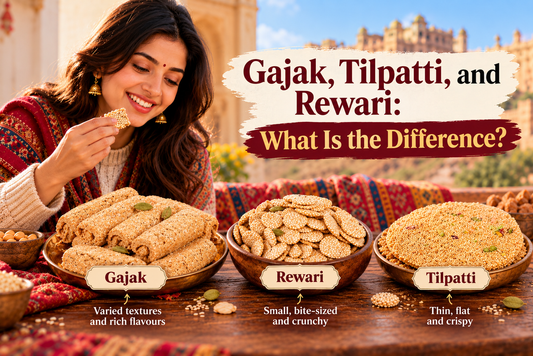
Read more: Gajak, Tilpatti, and Rewari: What Is the Difference?
Which Winter Treats in India Are Made with Sesame Seeds and Jaggery?
Many traditional winter treats in India are prepared using sesame seeds and jaggery. These ingredients feature prominently in several regional sweets, including Gajak, Til Laddu, Tilpatti, and Rewari.
-
Gajak: Made primarily with sesame seeds and jaggery or sugar, Gajak is known for its crisp texture and different regional varieties.
-
Til Laddu: These round sweets combine sesame seeds with jaggery to create a familiar winter delicacy, particularly enjoyed during Makar Sankranti.
-
Tilpatti: A thin, crisp sesame-based sweet that highlights the combination of sesame seeds and sweetness.
-
Rewari: Traditionally prepared using sesame seeds and jaggery or sugar, Rewari is another popular choice among Indian winter sweets.
Together, these varieties represent the diversity of traditional sesame seed sweets and jaggery sweets enjoyed across different parts of India.
Gajak: A Classic Indian Winter Sweet
Gajak is one of the most recognisable traditional Indian winter sweets, particularly in Rajasthan and North India. Traditionally prepared using sesame seeds and a sweet binding ingredient such as jaggery or sugar, gajak is known for its crisp texture and roasted, nutty flavour.
Its popularity comes from its simple combination of ingredients and distinctive preparation styles. Depending on the variety, Gajak can be thin and crisp, layered, crunchy, or enriched with dry fruits.
What Makes Gajak Special?
The characteristic taste of Gajak comes from roasted sesame seeds combined with sweetness. Sesame seeds provide a nutty aroma, while the sweet binding ingredient creates its familiar crisp or brittle texture.
Different varieties offer different experiences:
-
Til Gajak: A traditional sesame-based sweet with a roasted flavour and crunchy texture.
-
Read more: Prepared with jaggery, offering a deeper, richer sweetness.
-
Dry Fruit Gajak: Combines sesame-based sweetness with nuts such as cashews and pistachios.
-
Gajak Rolls: A convenient variation that offers the familiar flavour of traditional Gajak in a roll-shaped form.
Each variety has its own appeal, making Gajak a favourite for people who enjoy traditional sesame seed sweets.
Among the popular varieties, Til Gajak is particularly recognised for its combination of sesame seeds and sweetness, while other variations may include peanuts and dry fruits.
Why Is Gajak Popular During Winter?
Gajak has a particularly strong connection with North Indian winter food traditions. During the colder months, sesame-based sweets become widely available in local markets, sweet shops, and households.
Gajak is widely available during the colder months, particularly in North Indian markets and sweet shops. Its popularity is closely linked to seasonal food preferences and the availability of different varieties during winter.
From traditional Til Gajak to Khasta Morena Gajak and Til Gud Special Gajak Rolls, the variety of textures and flavours makes it a familiar choice for people who enjoy traditional sesame seed sweets.
What Are the Different Types of Gajak?
Gajak is available in several varieties, with differences in ingredients, sweetness, shape, and texture. While traditional Gajak is commonly prepared using sesame seeds and jaggery or sugar, other versions include dry fruits and different preparation styles.
Here are some popular varieties of Gajak and what makes each one different.
|
Gajak Variety |
Key Characteristics |
|
Til Gajak |
A traditional sesame-based variety known for its familiar nutty flavour and crisp texture. |
|
Gud Gajak |
Prepared with jaggery, offering a deeper and richer sweetness. |
|
Khasta Gajak |
Recognised for its crisp, delicate, and flaky texture. |
|
Dry Fruit Gajak |
Combines traditional Gajak ingredients with nuts and dry fruits for additional flavour and texture. |
|
Gajak Rolls |
A roll-shaped variation of traditional Gajak, offering a different presentation and eating experience. |
Each variety offers a different way to enjoy this traditional winter sweet. The choice often depends on personal preference, whether someone enjoys the classic sesame flavour, the richness of jaggery, the crunch of dry fruits, or the delicate texture of Khasta Gajak.
Read more: 10 Best Traditional Winter Sweets to Try in India
Chikki: The Crunchy Combination of Peanuts and Jaggery
Chikki is another much-loved Indian winter treat. It is traditionally made by combining roasted peanuts or other ingredients with a sweet binding syrup, commonly prepared using jaggery.
Its crunchy texture, roasted flavour, and convenient bite-sized form make it a popular sweet across India.
Peanut chikki is perhaps the most familiar variety, although sesame, dry fruit, coconut, and other ingredient combinations are also used.
What Makes Peanut Chikki a Winter Favourite?
The combination of roasted peanuts and jaggery gives Peanut Chikki its distinctive flavour.
Peanuts contribute a naturally nutty taste and crunchy texture, while jaggery adds sweetness and helps bind the ingredients together.
Some of the reasons people enjoy peanut chikki include:
-
Crunchy texture: Roasted peanuts provide a satisfying bite.
-
Traditional flavour: The combination of peanuts and jaggery is familiar to many Indian households.
-
Simple ingredients: Traditional recipes often use a small number of familiar ingredients.
-
Easy to share: Its compact form makes it suitable for family gatherings, festive occasions, and everyday snacking.
Peanut Chikki is also enjoyed throughout the year, but its popularity increases during winter and festive seasons.
Different Varieties of Chikki to Explore
Chikki is not limited to peanuts. Different ingredients create variations in flavour and texture.
Some popular varieties include:
-
Peanut Chikki: A classic preparation made with roasted peanuts and jaggery.
-
Til Chikki: Prepared with sesame seeds and a sweet binding ingredient.
-
Dry Fruit Chikki: Combines nuts and seeds for a richer texture.
-
Rice Chikki: Uses puffed or crisp rice for a lighter, crunchy bite.
-
Chocolate Chikki: A modern variation that combines familiar chikki ingredients with chocolate flavours.
These variations make Chikki an interesting part of traditional Indian winter sweets, offering options for different taste preferences.
For those who prefer the classic combination, peanut chikki remains a timeless choice.
Til Laddu: A Traditional Sweet with Cultural Significance
Til Laddu is one of the most recognisable sesame-based sweets in Indian food culture. Prepared using sesame seeds and jaggery, these round sweets are particularly popular during winter festivals.
The combination of roasted sesame seeds and jaggery creates a nutty, rich flavour that makes Til Laddu a favourite during Makar Sankranti and other seasonal celebrations.
In different parts of India, this sweet is also known as 'Til Gud Laddu' or 'Tilgul'.
Why Is Til Laddu Associated with Makar Sankranti?
Til Laddu is closely associated with Makar Sankranti, when sesame-based sweets are traditionally prepared and shared in several parts of India.
In Maharashtra, the sweet is commonly known as "Tilgul" and is exchanged with the greeting "Tilgul ghya, god god bola. " In other regions, similar sesame and jaggery preparations are enjoyed as part of seasonal celebrations.
This regional variation makes Til Laddu an important example of how a simple sweet can carry different cultural meanings across India.
What Makes Til Laddu Different from Gajak and Chikki?
Although all three sweets may use sesame seeds or jaggery, their appearance, texture, and preparation differ.
Til Laddu is shaped into small round portions, giving it a compact form. Gajak is generally known for its crisp, brittle, or layered texture, while Chikki is commonly prepared in flat, crunchy pieces.
This difference makes each sweet suitable for different preferences.
Til Laddu is particularly popular among people who enjoy sesame-based sweets with a traditional, homemade-style character.
Read more: What Are the Best Sweets to Gift During Makar Sankranti?
Gajak vs Chikki vs Til Laddu: What Is the Difference?
Gajak, Chikki, and Til Laddu share some ingredients, but each has its own identity.
Here is a simple comparison:
|
Feature |
Gajak |
Chikki |
Til Laddu |
|
Main ingredients |
Sesame seeds, jaggery, or sugar |
Peanuts or sesame, jaggery or sugar |
Sesame seeds and jaggery |
|
Texture |
Crisp, brittle or layered |
Crunchy and firm |
Compact, usually firm or slightly crumbly |
|
Common shape |
Sheets, pieces, or rolls |
Flat slabs or pieces |
Round balls |
|
Popular varieties |
Til Gajak, Gud Gajak, Dry Fruit Gajak |
Peanut Chikki, Til Chikki |
Til Gud Laddu |
|
Seasonal association |
Winter and Makar Sankranti |
Winter and festive seasons |
Makar Sankranti and winter |
|
Key flavour |
Roasted sesame and sweetness |
Roasted peanuts or seeds |
Nutty sesame and jaggery |
The main difference lies in their preparation, shape, and texture. While Gajak is appreciated for its brittle or layered consistency, Chikki is known for its crunchy bite, and Til Laddu offers a traditional round sesame-based sweet.
All three represent the diversity of Indian winter food traditions.
Why Are Sesame Seeds and Jaggery Common in Indian Winter Sweets?
Sesame seeds and jaggery are two important ingredients in traditional Indian sweet-making. Their combination is particularly popular because they contribute different flavours and textures to familiar delicacies such as Gajak, Til Laddu, and Tilpatti.
Sesame Seeds (Til)
Sesame seeds have a naturally nutty flavour that becomes more pronounced when roasted. They are used in several Indian sweet preparations and contribute to the distinctive taste and texture of sesame-based delicacies.
They also contain plant-based fats, protein, fibre, and minerals, making them a nutrient-containing ingredient in traditional recipes.
Jaggery (Gud)
Jaggery is a traditional sweetener commonly produced from sugarcane juice or palm sap. It has a rich, caramel-like flavour and is widely used in Indian desserts.
In traditional sweet-making, jaggery serves two purposes: it adds sweetness and helps bind ingredients such as sesame seeds and peanuts together.
How Do These Ingredients Work Together?
The combination of sesame seeds and jaggery creates a balance of nutty flavour and sweetness. Depending on the preparation method, it can produce different textures, from crisp Gajak and Tilpatti to firm Til Laddu.
Peanuts can also be combined with jaggery to prepare popular varieties of Chikki.
The proportions and preparation methods determine the final taste and consistency of each sweet. Nutritional values also vary depending on the ingredients used, so jaggery-based sweets are best enjoyed in moderation.
Read more: What Are the Benefits of Eating Til and Jaggery Together
How Are Traditional Winter Sweets Connected to Makar Sankranti and Lohri?
Traditional Indian winter sweets are closely associated with seasonal festivals and regional food customs. Celebrations such as Makar Sankranti and Lohri bring families together, with sesame seeds, jaggery, and peanuts featured in many festive food traditions.
However, the sweets and customs associated with these celebrations vary across different regions of India.
Makar Sankranti: The Tradition of Sharing Sesame and Jaggery Sweets
Makar Sankranti is celebrated in several Indian states with regional customs, festive foods, and family gatherings. Sesame seeds and jaggery are commonly used to prepare sweets shared during this occasion.
Gajak, Til Laddu, Tilpatti, and other sesame-based delicacies are enjoyed in parts of North India. These sweets are also shared among family members and friends as part of festive celebrations.
Maharashtra: The Tradition of Tilgul
In Maharashtra, Makar Sankranti is associated with the traditional exchange of Tilgul, small sweets generally prepared using sesame seeds and jaggery.
People share Tilgul with the greeting “Tilgul ghya, god god bola,” which means “Accept Tilgul and speak sweetly.” This greeting expresses a wish for goodwill, pleasant conversations, and sweetness in relationships.
Rajasthan and North India: Gajak, Rewari, and Til-Based Sweets
In Rajasthan and other parts of North India, traditional winter sweets include Gajak, Rewari, Tilpatti, and Til Laddu.
These delicacies are familiar choices during the winter season and festive occasions, including Makar Sankranti. Their sesame-based flavours and different textures make them popular additions to seasonal celebrations and family gatherings.
Punjab: Lohri and Traditional Winter Foods
Lohri is widely celebrated in Punjab and parts of North India, particularly around the winter harvest season. Traditional Lohri celebrations often include foods such as peanuts, sesame seeds, jaggery, popcorn, and Rewari.
Families and communities gather around the bonfire, share festive foods, and celebrate together. These customs reflect the seasonal and agricultural connections of the festival.
Regional Food Traditions and Winter Celebrations
Across India, seasonal sweets reflect local ingredients and cultural customs. While the specific preparations and celebrations differ, sesame seeds, jaggery, and peanuts feature in many regional winter food traditions.
From Maharashtra's Tilgul to Rajasthan's Gajak and Punjab's Lohri delicacies, these foods represent more than seasonal flavours. They are also part of the customs through which families and communities celebrate, share, and maintain cultural traditions.
Read more: How to Buy Fresh Indian Sweets Online Without Compromising on Quality
Popular Traditional Winter Sweets in Rajasthan and North India
Rajasthan has a rich culinary heritage, with traditional sweets reflecting the region's ingredients, flavours, and festive customs.
During winter, sesame-based delicacies and jaggery sweets become especially popular.
Some traditional varieties worth exploring include:
1. Morena Gajak
Morena Gajak is known for its sesame-based preparation and crisp texture. It is a popular variety among people who enjoy traditional Gajak.
2. Tilpatti
Tilpatti is a traditional sesame sweet that offers a distinctive nutty flavour and crisp bite. It is enjoyed during winter and festive occasions.
3. Gud Gajak
Gud Gajak combines sesame seeds with jaggery to create a traditional sweet with a rich flavour.
4. Rewari
Rewari consists of small, crunchy sesame-based sweet pieces. It is commonly enjoyed alongside Gajak during winter celebrations.
5. Til Laddu
Til, or Laddu, is a traditional preparation made with sesame seeds and jaggery. Its round shape and familiar flavour make it especially popular during Makar Sankranti.
These traditional Indian delicacies continue to be enjoyed by people who appreciate regional flavours and seasonal food traditions.
How to Choose the Right Winter Sweet for Your Taste
With so many traditional varieties available, choosing the right winter sweet depends on your flavour and texture preferences.
Here are a few simple suggestions:
-
If you enjoy crunchy sesame sweets: Choose Til Gajak or Tilpatti.
-
If you prefer rich jaggery flavours: Try Gud Gajak or Til Gud Gajak Rolls.
-
If you enjoy peanuts: Peanut Chikki is a classic option.
-
If you like traditional round sweets: Til Laddu is an excellent choice.
-
If you prefer nut-based combinations: Explore Dry Fruit Gajak or dry fruit-based Tilpatti.
You can also combine different varieties when preparing a festive sweet platter for family gatherings or celebrations.
Read more: How to Choose Authentic Traditional Indian Sweets Online
How to Store Gajak, Chikki, and Til Laddu
Proper storage helps maintain the flavour and texture of traditional sweets.
Since many varieties of Gajak and Chikki are known for their crunchy consistency, protecting them from moisture is particularly important.
Follow these basic storage tips:
-
Store sweets in clean, airtight containers.
-
Keep them in a cool, dry place away from direct sunlight.
-
Avoid exposing them to moisture, as it can affect their texture.
-
Use clean, dry utensils when handling the sweets.
-
Follow the storage instructions and best-before information provided on the product packaging.
For packaged sweets, always refer to the manufacturer's instructions for specific storage and consumption guidance.
Read more: How to Store Gajak, Chikki, and Rewari to Keep Them Fresh
Traditional Indian Winter Sweets from Shree Shyam Tilpatti Udyog
The tradition of making and offering Indian sweets has been an important part of India's food culture for generations. Shree Shyam Tilpatti Udyog has built its journey around traditional Gajak and Tilpatti, bringing these familiar flavours to customers who appreciate regional Indian delicacies.
The company's journey began with Rajkumari Kumawat and her husband, Rajkumar Kumawat. An important milestone came in 1987, when the business received an opportunity to sell its products through Khadi Gram Udyog. Since then, the company has continued to develop its presence in the traditional Gajak and Tilpatti segment.
Today, Shree Shyam Tilpatti Udyog operates two workstations in Beawar and Jaipur for its Gajak and Tilpatti varieties. Its product range reflects the popularity of traditional Rajasthani sweets and the different flavours enjoyed during the winter season.
Explore Our Range of Traditional Winter Sweets
The Winter Special collection brings together several traditional delicacies, allowing customers to explore different varieties of Gajak, Chikki, Til Laddu, and Tilpatti.
Some of the available products include:
-
Til Gud Special Gajak Rolls: A traditional sesame and jaggery-based Gajak variety available in a 500g pack.
-
Khasta Morena Gajak: A traditional sesame-based sweet with a crisp texture, available in a 500g pack.
-
Peanut Chikki: A classic combination of peanuts and sweetness, available in a 500g pack.
-
Special Dry Fruit Gajak: A variation of traditional Gajak featuring dry fruits.
-
Special Til Laddu: A sesame-based traditional sweet associated with winter celebrations.
-
Jaggery Rewari: A traditional sesame sweet featuring the flavour of jaggery.
-
Pistachio Cardamom Tilpatti: A traditional sesame delicacy featuring pistachios and cardamom.
The collection includes different product varieties and pack options. Customers can check individual product listings for available weights, prices, ingredients, and other product-specific details.
Ordering Traditional Winter Sweets Online
Customers can explore the Winter Special collection directly through the Shree Shyam Tilpatti Udyog website. Each product listing provides details to help customers select their preferred sweet and available pack size.
Orders can be placed online by selecting a product, adding it to the cart, and completing the checkout process with the required delivery information.
For order-related questions or product inquiries, customers can contact the business directly.
Whether you are looking for traditional Gajak, crunchy Peanut Chikki, sesame-based Til Laddu, or different varieties of Tilpatti, Shree Shyam Tilpatti Udyog brings together a selection of traditional Indian sweets for seasonal celebrations and everyday enjoyment.
Explore the Winter Special Sweets Collection to discover traditional Indian winter delicacies from Shree Shyam Tilpatti Udyog.
Conclusion
Gajak, Chikki, and Til Laddu continue to hold a special place in India's seasonal food culture. Their distinctive textures, traditional recipes, and regional variations make them familiar favourites during winter and festive occasions.
Whether you prefer the crispness of Gajak, the crunch of Peanut Chikki, or the traditional taste of Til Laddu, each offers a different way to enjoy India's rich sweet-making heritage.
At Shree Shyam Tilpatti Udyog, you can explore a variety of traditional seasonal delicacies in one place. Visit our Winter Special Sweets Collection to discover Gajak, Chikki, Til Laddu, and other traditional Indian winter favourites.
Frequently Asked Questions
1. What are the most popular traditional Indian winter sweets?
Some of the most popular traditional Indian winter sweets include Gajak, Chikki, Til Laddu, Tilpatti, Rewari, and Gud Gajak. These sweets commonly use ingredients such as sesame seeds, jaggery, peanuts, and dry fruits.
2. Why are Gajak, Chikki, and Til Laddu eaten during winter?
Gajak, Chikki, and Til Laddu are traditionally associated with winter because their main ingredients, including sesame seeds, jaggery, and peanuts, are commonly used in seasonal Indian food preparations. They are also closely connected with winter festivals such as Makar Sankranti and Lohri.
3. What is Gajak made of?
Traditional Gajak is primarily made using sesame seeds and a sweet binding ingredient such as jaggery or sugar. Some varieties also include dry fruits, nuts, and other flavouring ingredients.
4. What is the difference between Gajak and Chikki?
Gajak is generally a sesame-based sweet known for its crisp, brittle, or layered texture. Chikki is commonly prepared using peanuts or sesame seeds combined with a sweet binding syrup and is usually shaped into flat, crunchy pieces. Their ingredients and preparation methods can vary by region and recipe.
5. What is Til Laddu made of?
Til Laddu is traditionally prepared using roasted sesame seeds and jaggery. The ingredients are combined and shaped into small round sweets. Some variations may include nuts or additional flavourings.
6. Why are sesame seeds and jaggery used together in winter sweets?
Sesame seeds and jaggery complement each other in flavour and texture. Roasted sesame provides a nutty taste, while jaggery adds rich sweetness and works as a binding ingredient in traditional preparations such as Gajak, Til Laddu, and Til Chikki.
7. Which Indian sweets are traditionally eaten during Makar Sankranti?
Popular sweets associated with Makar Sankranti include Til Laddu, Tilgul, Gajak, Rewari, and Tilpatti. These delicacies are commonly prepared or exchanged as part of regional festival traditions.
8. Is Peanut Chikki a traditional Indian winter sweet?
Yes, peanut chikki is a popular traditional Indian sweet enjoyed during winter and throughout the year. It is commonly made using roasted peanuts and jaggery, creating a crunchy texture and sweet, nutty flavour.
9. What are some popular Rajasthani winter sweets?
Popular Rajasthani winter sweets include Gajak, Tilpatti, Til Laddu, Rewari, and jaggery-based sesame delicacies. These sweets are appreciated for their traditional flavours and association with seasonal celebrations.
10. Where can I buy traditional Indian winter sweets online?
You can explore traditional Indian winter sweets such as Gajak, Peanut Chikki, Til Laddu, Tilpatti, and Rewari through the Winter Special collection at Shree Shyam Tilpatti Udyog. Visit the online collection to explore available seasonal varieties.
Tags:
Related articles
-
Oct 31 2026
Gajak, Tilpatti, and Rewari: What Is the Difference?


-
Oct 16 2026
Khadhya Khurak 2026: Dates, Venue & Food Expo Highlights


-
Oct 10 2026