
Shopping Cart
(0)


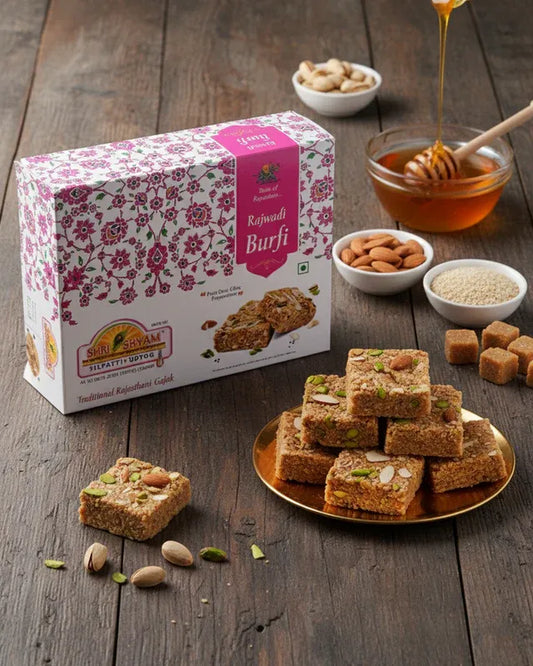
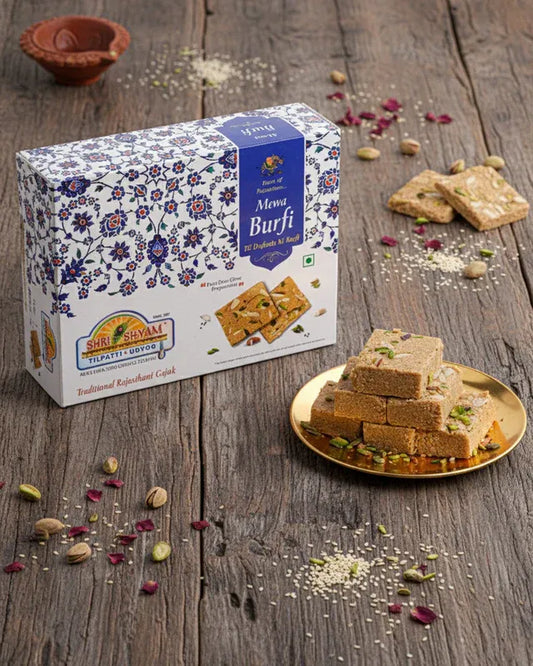
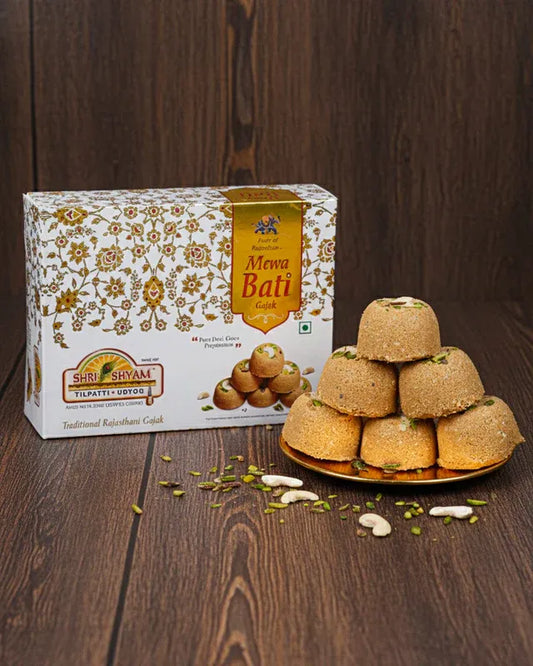
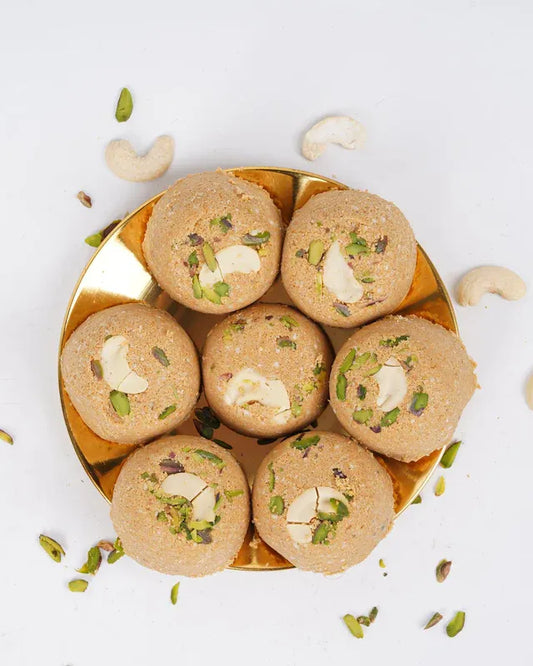
Mewa sweets have a special place in traditional Indian mithai. Rich ingredients, roasted flavours, dry fruits, sesame seeds, jaggery, ghee and aromatic spices come together to create sweets that feel festive, comforting and deeply connected with Indian food traditions.
At Shree Shyam Tilpatti Udyog, our Mewa Sweets collection brings together traditional varieties such as Rajwadi Barfi, Mewabati, Mewabarfi and Jaipuri Mewabaati. Each variety has its own texture, flavour and character, making the collection suitable for people who enjoy traditional sweets with a rich and nutty taste.
Unlike overly creamy or syrup-heavy mithai, many mewa-based sweets have a balanced combination of roasted sesame seeds, jaggery, sugar, dry fruits and clarified butter. This gives them a satisfying texture and a flavour that develops with every bite.
Whether you are choosing sweets for your family, serving guests, planning festive gifting or simply looking for something traditional to enjoy at home, our Mewa Sweets collection gives you several flavours and formats to explore.
What Are Mewa Sweets?
Mewa sweets are traditional Indian sweets made using ingredients such as dry fruits, nuts, sesame seeds, jaggery, sugar, ghee and aromatic spices. The exact recipe can vary depending on the type of sweet, regional style and preparation method.
The word “mewa” is commonly associated with nuts and dry fruits such as almonds, cashews and pistachios. In traditional sweet-making, these ingredients are often combined with sesame seeds, jaggery, sugar or ghee to create a rich flavour and dense texture.
In our collection, you will find varieties that combine the nuttiness of sesame seeds with the sweetness of jaggery and sugar. Ingredients like cardamom and black cardamom add aroma, while cashews, almonds and pistachios contribute texture and richness.
Because every sweet is prepared differently, Mewabati, Mewabarfi and Jaipuri Mewabaati may look similar at first glance but can offer a different eating experience depending on their shape, texture and ingredient balance.
Rajwadi Barfi – A Rich Traditional Sweet
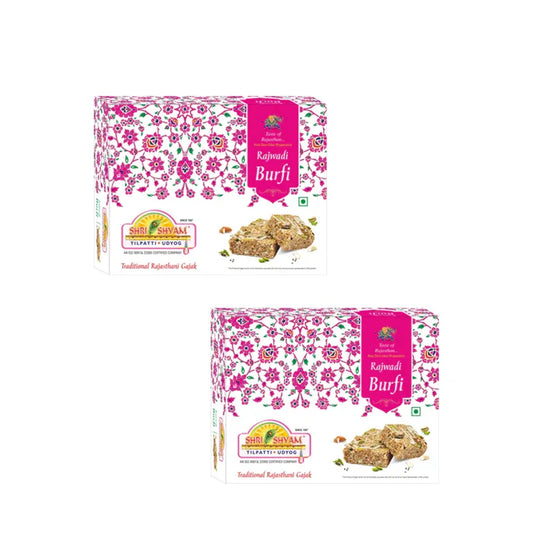
Rajwadi Barfi is a rich sweet made for people who enjoy traditional Indian mithai with a festive feel. Even its name reflects a sense of richness and heritage.
Barfi has long been associated with celebrations, family gatherings and gifting in India. Rajwadi-style sweets generally focus on a rich flavour profile and an indulgent texture, making them suitable for occasions when you want something more special than an everyday snack.
Our Mewa Sweets collection includes Rajwadi Barfi as part of a broader range of traditional sweets that can be enjoyed during festivals, celebrations and family occasions.
The appeal of Rajwadi Barfi lies in its classic presentation and familiar mithai experience. It can be served alongside other sweets such as Mewabati and Mewabarfi to create a varied sweet platter for guests.
For festive gifting, combining multiple varieties can also make the selection more interesting, allowing people to experience different textures and flavours in one box.
Mewabati – Traditional Flavour with a Rich Nutty Taste
Mewabati is one of the distinctive sweets in our collection. It combines traditional ingredients associated with Indian sweet-making, including sesame seeds, jaggery, sugar, cardamom, black cardamom, glucose, pistachios, almonds, cashews, dry fruits and ghee.
This combination creates a flavour that is sweet, nutty and aromatic.
Sesame seeds form an important part of many traditional winter sweets because of their naturally roasted taste. When paired with jaggery and dry fruits, sesame develops a deeper flavour that works particularly well in dense sweets.
Jaggery adds a warm sweetness, while sugar contributes to the overall structure and taste. Cardamom brings a familiar sweet aroma, and black cardamom adds another layer of flavour to the recipe.
Cashews, almonds and pistachios make Mewabati richer in texture. These nuts add small variations in every bite and give the sweet a more festive feel.
Clarified butter, or ghee, helps bring the ingredients together while adding richness to the overall flavour.
For customers who enjoy sesame-based Indian sweets but want something more elaborate than a simple til sweet, Mewabati can be an interesting choice.
What Makes Mewabati Different?
One of the most noticeable things about Mewabati is its combination of traditional sesame and jaggery flavours with dry fruits and aromatic spices.
Mewabati brings together several important ingredients:
- Sesame seeds add roasted nuttiness.
- Jaggery contributes deep sweetness.
- Sugar balances the overall taste.
- Liquid glucose supports the sweet's texture.
- Cashews, pistachios and almonds add richness.
- Ghee contributes a traditional buttery flavour.
- Cardamom and black cardamom add fragrance.
Together, these ingredients create a sweet that feels traditional while offering more complexity than a simple sesame-based mithai.
Mewabarfi – A Sesame and Dry Fruit Barfi
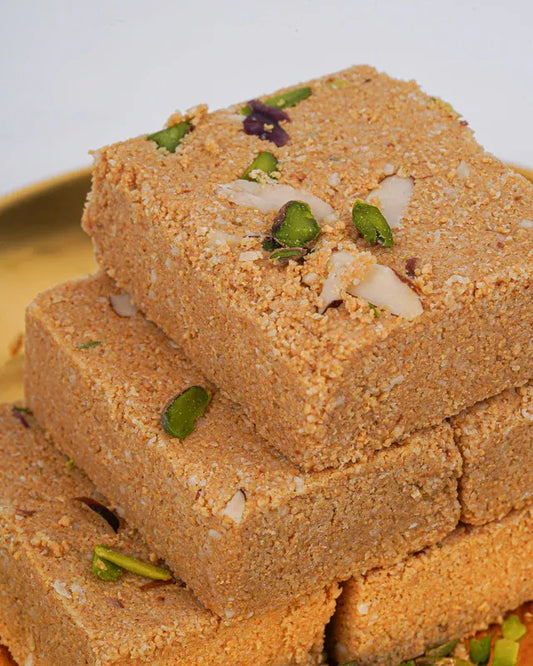
Mewabarfi combines the familiar barfi format with a sesame and mewa-based recipe.
Mewabarfi contains: Sesame Seeds (Til) – 54%, Jaggery (Gud) – 21%, Sugar – 14%, Cardamom, Black Cardamom, Glucose, Pistachios, Badam, Cashew, Dry Fruits and Clarified Butter (Ghee).
The high proportion of sesame seeds makes til a major part of the flavour and texture.
Sesame creates a naturally nutty, roasted taste. When combined with jaggery, it creates the distinctive flavour commonly associated with traditional til-based Indian sweets.
Jaggery makes up another significant part of the recipe and complements sesame particularly well. Sugar adds sweetness and helps achieve the desired barfi-style structure.
Dry fruits such as almonds, cashews and pistachios make Mewabarfi richer and add variation to the texture.
Cardamom and black cardamom provide aromatic notes that help balance the richness of sesame, jaggery and ghee.
Mewabati vs Mewabarfi
Customers often come across Mewabati and Mewabarfi and wonder how they differ.
Both sweets may contain similar traditional ingredients, including sesame seeds, jaggery, sugar, dry fruits, ghee and cardamom. However, the main difference can be experienced through their presentation, texture and preparation style.
Mewabarfi follows the familiar barfi format. It is generally presented as cut pieces, making it convenient to serve on a mithai platter or pack in a sweet box.
Mewabati, on the other hand, has its own characteristic form and presentation. This makes the eating experience different even when some ingredients overlap.
For people who enjoy barfi-style sweets, Mewabarfi can be a natural choice. For customers looking to try something more distinctive, Mewabati offers another traditional option.
You can also choose both and serve them together to experience the contrast.
Jaipuri Mewabaati – A Taste Inspired by Jaipur
Jaipuri Mewabaati adds a regional identity to our Mewa Sweets collection.
Jaipur is known for its colourful culture, traditional food and strong connection with Rajasthani flavours. Sweets from this region often reflect the use of ingredients that have been enjoyed for generations, including sesame, jaggery, ghee, nuts and aromatic spices.
Jaipuri Mewabaati brings that traditional character into a rich sweet suitable for festivals, gifting and everyday enjoyment.
It is a good option for customers who are specifically looking for traditional sweets associated with Jaipur or Rajasthan.
For people buying sweets for friends or relatives outside Rajasthan, Jaipuri Mewabaati can also be an interesting way to share a taste inspired by the region.
Mewabaati – Rich Ingredients in Every Bite
Traditional Mewabaati is made using a combination of ingredients that bring sweetness, nuttiness, richness and aroma together.
Ingredients: Sesame Seeds, Jaggery, Sugar, Liquid Glucose, Cashewnut, Pistachios, Almonds, Clarified Butter (Ghee), Cardamom and Black Cardamom.
Each ingredient contributes something different.
Sesame seeds bring a roasted and nutty base. Jaggery adds traditional sweetness, while sugar helps create balance. Liquid glucose forms part of the recipe and contributes to the texture.
Cashewnuts, pistachios and almonds give Mewabaati a richer taste and make each bite more interesting.
Ghee adds smoothness and the familiar richness associated with traditional Indian sweets.
Cardamom provides a sweet aroma, while black cardamom adds depth to the flavour.
The result is a sweet that combines roasted, sweet, nutty and aromatic elements in one recipe.
The Role of Sesame Seeds in Mewa Sweets
Sesame seeds, also known as til, play a major role in several sweets in this collection.
Til has been used in Indian cooking and sweet-making for generations. Its mildly nutty flavour becomes deeper when roasted or combined with sweetening ingredients.
In sweets like Mewabarfi and Mewabaati, sesame works particularly well with jaggery.
Jaggery has a richer, more caramel-like sweetness than refined sugar, so combining it with sesame creates a flavour that feels warm and traditional.
The use of sesame also gives these sweets a texture that differs from many milk-based mithai varieties.
Instead of being very soft and creamy, sesame-based sweets can offer a firmer, denser or slightly grainy texture depending on how they are prepared.
This is one reason why customers who enjoy traditional til sweets may also enjoy Mewa Sweets.
Jaggery and Sugar – Creating Balanced Sweetness
Many traditional sweets use either jaggery, sugar or a combination of both.
In our Mewa Sweets collection, ingredients such as jaggery and sugar help create the characteristic sweetness of products like Mewabarfi and Mewabaati.
Jaggery contributes a deeper flavour. Its taste complements roasted sesame and dry fruits particularly well.
Sugar provides a cleaner sweetness and helps balance the recipe.
Using both can create a more layered taste than relying on only one sweetening ingredient.
For Mewabarfi, the ingredient information specifies 21% jaggery and 14% sugar alongside 54% sesame seeds.
This shows how strongly sesame and jaggery influence the overall character of the product.
Dry Fruits Make Mewa Sweets More Special
Dry fruits are one of the defining ingredients in many mewa-based sweets.
Common dry fruits used in these sweets include:
- Almonds
- Cashews
- Pistachios
- Mixed Dry Fruits
These ingredients contribute richness, flavour and texture.
Cashews have a mild, creamy nuttiness. Almonds provide a firmer bite and familiar dry fruit taste. Pistachios add another distinctive nutty flavour.
When used with sesame, jaggery and ghee, these dry fruits help make sweets like Mewabati and Mewabaati feel richer and more festive.
This is also why mewa sweets are a popular choice for special occasions and gifting.
Cardamom and Black Cardamom Add Traditional Aroma
A traditional Indian sweet is not defined only by sweetness. Aroma also plays an important role.
Cardamom is one of the most familiar spices used in Indian mithai. Its sweet and fragrant character works well with sugar, jaggery, nuts and ghee.
Black cardamom has a stronger and deeper aroma. When used carefully in a sweet recipe, it can add another layer to the overall flavour.
Both cardamom and black cardamom are included in varieties such as Mewabarfi and Mewabaati.
These ingredients help create the familiar aroma associated with many traditional Indian sweets.
Why Ghee Is Important in Traditional Sweets
Clarified butter, commonly known as ghee, is another important ingredient in traditional Indian sweet-making.
Ghee contributes richness and helps combine different ingredients into a more balanced texture.
In sweets made using sesame, nuts and jaggery, ghee helps round out the roasted and sweet flavours.
It also creates the familiar richness associated with traditional mithai.
Mewabati, Mewabarfi and Mewabaati ingredient lists include clarified butter (ghee) as part of their preparation.
Mewa Sweets for Festivals and Celebrations
Indian festivals and sweets have always gone hand in hand.
From family gatherings to festive visits, sweets are commonly shared as a gesture of happiness and hospitality.
A collection containing Rajwadi Barfi, Mewabati, Mewabarfi and Jaipuri Mewabaati can work well for occasions where you want to offer something more traditional.
Different varieties can be served together to create a mixed mithai experience.
Mewa Sweets can be considered for occasions such as:
- Diwali
- Makar Sankranti
- Family celebrations
- Weddings
- Festive gatherings
- Traditional gifting
- House visits
- Special family occasions
They can also simply be enjoyed at home for people who like traditional mithai after meals or alongside tea.
Mewa Sweets for Gifting
A box of traditional sweets remains one of the most familiar forms of gifting in India.
Mewa-based sweets are especially suitable when you want something that looks and feels rich.
The combination of sesame, dry fruits, jaggery, sugar and ghee creates a traditional sweet experience with multiple flavours and textures.
You can choose a single variety such as Mewabarfi or create a broader selection with Rajwadi Barfi, Mewabati and Jaipuri Mewabaati.
A mixed selection also works well when you are unsure about the recipient's preferred texture because it gives them more than one sweet to try.
How to Choose from Our Mewa Sweets Collection
If you are exploring the collection for the first time, your choice can depend on the type of sweet you usually enjoy.
Choose Rajwadi Barfi
Choose Rajwadi Barfi if you like classic barfi-style mithai and want something suitable for festive serving.
Choose Mewabati
Choose Mewabati if you want a traditional sweet with sesame, jaggery, nuts, ghee and aromatic spices.
Choose Mewabarfi
Choose Mewabarfi if you prefer a barfi format with a sesame-rich recipe. With sesame seeds making up 54% of the listed ingredients, it offers a strong til-based character.
Choose Jaipuri Mewabaati
Choose Jaipuri Mewabaati if you are specifically looking for a sweet with a Jaipur-inspired traditional identity.
Choose Mewabaati
Choose Mewabaati if you enjoy a combination of sesame seeds, jaggery, sugar, liquid glucose, cashews, pistachios, almonds, ghee, cardamom and black cardamom.
Trying more than one variety is often the easiest way to discover your favourite.
Traditional Ingredients, Familiar Flavours
What makes this collection interesting is the way familiar Indian ingredients come together.
There is nothing overly complicated about the core flavour profile. Instead, the appeal comes from traditional combinations that have been enjoyed for a long time.
- Sesame and jaggery create roasted sweetness.
- Dry fruits add richness.
- Ghee adds depth.
- Cardamom adds aroma.
Together, these ingredients create sweets that feel connected to Indian food traditions.
For customers who prefer traditional mithai over highly modern desserts, Mewa Sweets can be a satisfying choice.
A Rich Alternative to Regular Mithai
Many common Indian sweets are primarily milk-based. Mewa Sweets offer a different style of indulgence.
The use of sesame seeds and nuts gives these sweets a more roasted, dense and nutty character.
This makes products such as Mewabarfi and Mewabati especially appealing to people who enjoy til-based or dry fruit-rich sweets.
Because different varieties have different shapes and textures, the collection also offers more variety than choosing just one type of barfi.
Enjoy Mewa Sweets with Family and Guests
Traditional sweets often taste best when shared.
A plate containing Rajwadi Barfi, Mewabarfi and Mewabaati can be served when guests arrive, after a family meal or during festive gatherings.
Different pieces can be arranged together to create a simple but appealing sweet platter.
Tea and traditional sweets are also a familiar combination in many Indian homes. A small portion of a rich mewa sweet can pair well with an evening cup of tea.
Why Explore Different Mewa Sweet Varieties?
People sometimes assume that sweets containing similar ingredients will taste almost the same. But even small changes in ingredient ratio, shape and preparation can noticeably change the final result.
A sweet with more sesame will naturally have a stronger til flavour.
A barfi format may have a different bite from a bati-style sweet.
Different quantities of jaggery, sugar, nuts and ghee can also influence sweetness, richness and texture.
That is why exploring Mewabati, Mewabarfi and Mewabaati side by side can be worthwhile.
Each variety offers its own interpretation of traditional ingredients.
Buy Mewa Sweets Online
If you are looking to buy Mewa Sweets online, explore the range available at Shree Shyam Tilpatti Udyog.
Our collection brings together traditional options including Rajwadi Barfi, Mewabati, Mewabarfi and Jaipuri Mewabaati.
Whether you are shopping for festivals, family occasions, gifting or personal enjoyment, you can select a variety based on your preferred flavour and texture.
Read the individual product details and ingredient information before ordering so you can choose the sweet that best suits your preference.
Conclusion
Mewa Sweets bring together rich traditional flavours, familiar ingredients and the variety that makes Indian mithai special. From Rajwadi Barfi and Mewabati to Mewabarfi and Jaipuri Mewabaati, each sweet offers a different combination of texture, taste and presentation.
Ingredients such as sesame seeds, jaggery, sugar, dry fruits, ghee, cardamom and black cardamom give these sweets their distinctive character. Whether you prefer a barfi-style sweet, a sesame-rich variety or something with a stronger dry-fruit flavour, there are different options to explore.
At Shree Shyam Tilpatti Udyog, you can explore traditional Mewa Sweets for festivals, gifting, family gatherings or everyday enjoyment. Choose your favourite variety, try different options together and enjoy the rich taste of traditional Indian sweets.